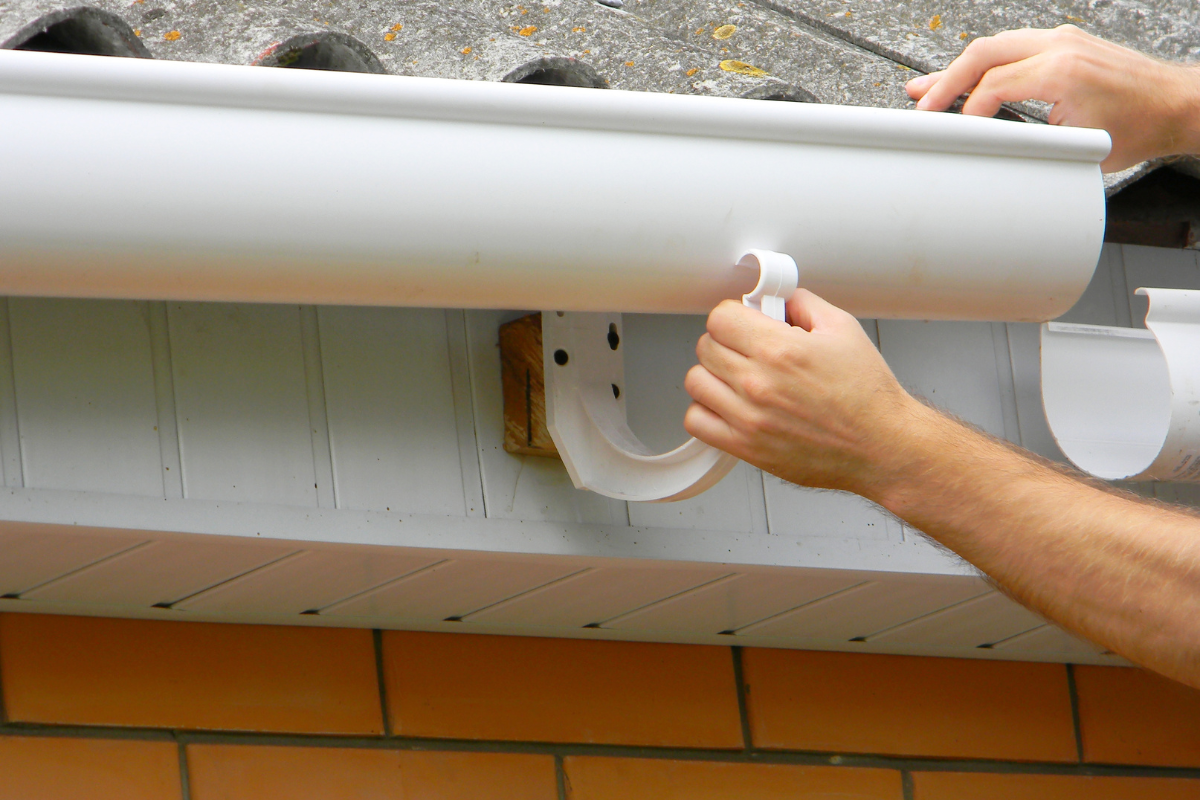
A good gutter system sits quietly along the roofline for years, then makes itself known the day it fails. I have crawled along enough ladders and attic joists to know that small, seasonal attention prevents the big-ticket repairs nobody budgets for. Water is relentless. It will find seams, test every slope, and exploit every clog. A calendar that matches your climate and roof type turns gutter maintenance from a reactive chore into simple, predictable routines.
What follows is a year-round plan that respects how homes actually behave. I’ll share what tends to go wrong, when to check it, and how to decide between DIY and calling for gutter services. The calendar works whether you have a modest ranch with 80 feet of K-style aluminum or a tall, steep Victorian with copper half-rounds and a line of maples next door.
Why scheduling matters more than gear
Most failures I see aren’t exotic. They’re mundane and cumulative: a seam that dripped for two winters and rotted the fascia, a downspout that discharged at the foundation for a decade and bowed a basement wall, a handful of asphalt granules that slowly built a dam at the outlet. Homeowners often buy premium guards or expensive coatings, then skip the simple checks. I’ve installed guards that worked beautifully, and I’ve pulled slimy compost from guarded gutters that hadn’t been opened in three years. The calendar keeps your attention on the right things at the right time.
Think in seasons. Your gutters have different jobs in spring rain, summer heat, fall leaf drop, and winter freeze. Materials expand and contract. Fasteners loosen. Sealants age. The schedule below highlights pivotal moments, then offers a tighter checklist for climates with heavy tree cover or frequent storms.
Know your system before you plan
Your maintenance calendar depends on what is hanging up there.
Older homes often wear half-round copper or galvanized steel. They look right but demand more frequent inspection at joints and hangers. Most newer homes use seamless K-style aluminum with hidden hangers. Those resist leaks at seams, but the mitered corners and outlet seals still need attention. If your roof is asphalt, expect a higher load of grit in the first three to five years. Metal roofs shed water faster and can overshoot shallow gutters without splash guards. Tile roofs work fine with gutters, but the underlayment at the eaves must stay dry or you’ll see soffit staining within a season.
Downspout size matters more than people think. A 2x3 downspout clogs far more easily than a 3x4, especially at the first elbow. I’ve cleared birds’ nests from rectangular leaders and baseballs from corrugated ones. If your home sits under pines or oaks, oversized outlets and smooth elbows cut your time on the ladder in half.
Early spring: recovering from freeze and thaw
As ice leaves and daytime temperatures climb, gutters reveal the damage winter left behind. Aim for a thorough inspection once the roof is mostly dry and the ground can support ladder feet without sinking. If you get a late snow, wait until melt water is flowing again.
Walk the perimeter first. Look for staining on the siding near corners, paint that has bubbled near the fascia, and soil erosion beneath outlets. These are telegraphs of leaks or overflow. From a safe ladder position, lift the first few feet of debris by hand into a bucket. Early spring debris looks like coffee grounds if you have asphalt shingles. That gritty silt settles at the low points and at outlets. Scoop it before you run a hose, otherwise you’ll push it into the downspouts and create a clog two elbows down where you cannot see it.
Once loose material is out, test flow. A gentle hose stream at the high end of each run will show you slope and reveal leaks quickly. Water should move within seconds. If it ponds for more than a minute along a straight section, the gutter may be back-pitched, or a hidden hanger might have let go, creating a belly. Mark the spot with painter’s tape. I carry a Sharpie and write a quick note on the tape: “low,” “corner leak,” or “outlet slow.” That note is gold when you return with a drill and hangers.
Look closely at sealant seams. You want firm, flexible sealant with no cracking. If you find a drip at a mitered corner, dry the spot, wire-brush away old sealant, then reseal with a gutter-rated tripolymer or butyl product. Silicone wears too fast outdoors in this application. Allow proper cure time before you stress the joint with more water.
Pay extra attention where roof valleys dump into the gutter. If you see dents or a shiny wear mark on the back of the gutter, it is taking heavy water. A splash guard there reduces overshoot during spring rains. On metal roofs, consider diverters that calm the flow without damming water.
Late spring: confirm storm readiness
By the time thunderstorms roll in, your gutters should be clean, pitched, and moving water away from the house. This is when I check downspout discharge lengths. Extensions that reach at least 4 to 6 feet from the foundation make a visible difference. If you have tight planting beds near the house, hinged extensions let you mow or garden without removing hardware. Underground drains can work well, but they hide clogs and can flood a basement if the line collapses. If an underground run gurgles or burps water back during a hose test, it probably needs a camera inspection or a cleanout.
Heavy spring rains also expose weaknesses in hangers. Hidden hangers should sit tight to the back of the gutter, with screws biting firmly into the fascia or rafter tails. If the wood is punky, stop. That is a fascia repair before it is a gutter repair. I’ve seen beautifully aligned gutters screwed into rotted wood that held up fine on dry days, then bent like a bow under a single fast storm.
Consider guards only after you understand your leaf load and debris type. Micro-mesh performs well against small leaves and pine needles but tends to build a film of pollen and shingle oils in spring that needs brushing. Perforated aluminum guards are forgiving, easier to service, and adequate for larger leaves. Brush inserts are simple to remove and clean, but they do collect fine grit. Any guard reduces bulk debris, not maintenance altogether. Budget for a light brush and rinse twice a year if you install them.
Early summer: heat, expansion, and quiet fixes
Summer heat softens sealants and expands long aluminum runs. You might hear a pop at dusk as metals contract. That sound is harmless, but the movement can slowly stress seams and outlet seals. Early summer is a good time for fastening and alignment work because materials are fully expanded. A slight slope correction holds better when set at peak size.
Check for paint wear and corrosion. Aluminum doesn’t rust, but it does pit if the factory coating wears thin, especially under standing debris. Galvanized steel will show white oxidation first, then red rust at cut ends and seams. Surface corrosion can often be abraded and sealed if you catch it early. Copper develops a patina but should not store standing water. If copper seams are weeping, the solder might be tired. That is a specialist’s job unless you have the right torch, flux, and experience. It is easy to overheat and warp copper.
Summer is also when your roof sheds the first big wave of granules if it was installed within the last year. Clean outlets and the top elbow more often during that first season. I have emptied pounds of granules that behaved like ball bearings, sliding toward outlets with every rain and then locking there.
If you irrigate, watch sprinkler arcs. Sprays that hit the gutter face drive water backwards under the drip edge. Realign sprinklers or change nozzles rather than asking sealants to do exterior work they were never meant to do.
Late summer: prepare for leaf drop
This is the calm before the mess in many regions. Install or repair splash guards in high-flow valleys. Confirm your extension strategy at grade. If you plan to add guards, this is a reasonable window. You can also pre-trim branches that overhang the roof. A modest pruning well before leaf drop reduces the surge of debris and gives cuts time to heal before frost.
If you live near conifers, plan extra attention for the first elbows and outlets. Pine needles behave like toothpicks in a cocktail straw. They bridge, then collect, then lock. Larger outlets and smooth elbows pay for themselves here. I’ve retrofitted dozens of 2x3 outlets to 3x4 on older homes precisely because of pine needles.
Check fasteners at miters and end caps. These are the spots that tear slightly if ice loads pushed at the wrong angle. A loose end cap means the crimp has opened, and sealant alone may not last. Recrimp end caps snugly before resealing.
Fall: two passes beat one heroic cleanup
Leaf patterns vary block to block. One street might be done by Halloween, while another drops into December. Waiting for a one-and-done cleanup is how gutters overflow during an early storm. I plan two passes: a quick one when the first third of leaves fall, then a thorough cleaning after the bulk is down.
On the first pass, prioritize outlets and corners. Clear the top of downspouts, then carve channels so water can move even if the center of the run still holds leaves. I wear nitrile-dipped gloves and use a narrow plastic scoop. Avoid metal tools that scratch coatings. If your gutters are two stories up and you do not have the right ladders or fall protection, this is the time to call a pro. A reputable company that offers gutter services should be able to schedule two short visits rather than one long one, and that flexibility prevents damage.
After the main leaf drop, schedule the second pass on a dry day. Leaves weigh less and come out cleaner. Flush each run after scooping. This is the time to fix what you marked in spring and summer: add hangers where you saw bellies, reseal corners that wept, adjust slopes so the water follows the downspouts instead of lingering near the middle. When I set slope on a typical 40-foot run, I aim for roughly a quarter inch per 10 feet, sometimes a touch more if the fascia is wavy. You do not need a level for every step. Water tells the truth. If it moves swiftly and leaves a dry track behind, your pitch is right.
Roof safety matters more in fall. Moss and algae bloom after the first rains. If you step on a damp strip, you will slide. Wear soft-soled shoes with clean tread, avoid stepping near gutters, and never lean outward from a ladder to reach that last two feet. Bring the ladder down and move it. Ten minutes saved is not worth a rib.
Winter: ice, safety, and choosing when to wait
If you live where freezing occurs, gutters enter their hardest season. Ice dams are a roof issue more than a gutter issue, but gutters influence them. Clean, open gutters help meltwater move off the roof quickly before it refreezes at the eave. Still, if your attic leaks heat and snow melts from underneath, water will refreeze at the cold eave and build a dam. I’ve cleared gutters under ice more times than I can count, but the smart move is often pati